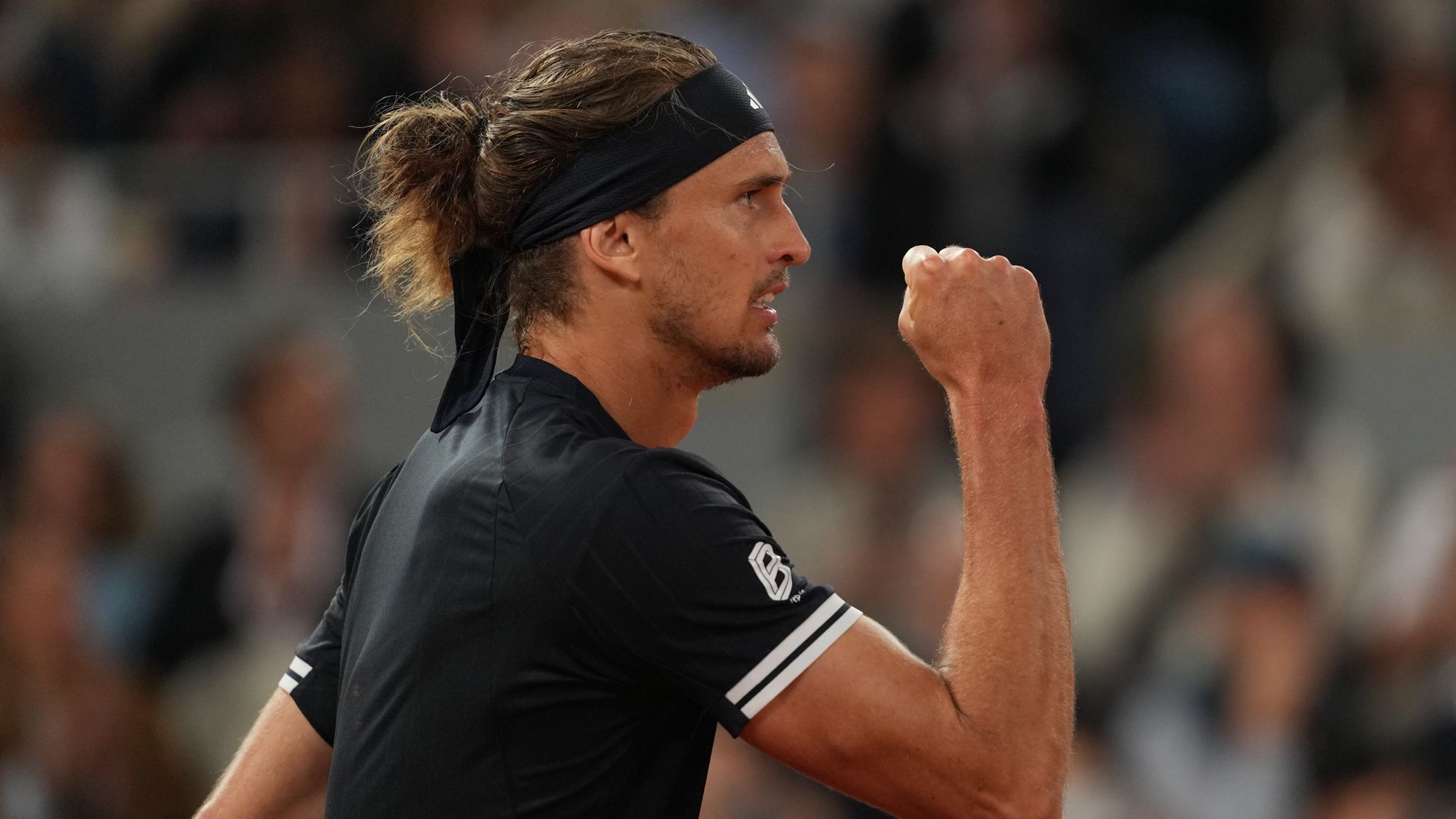
Alexander Zverev vs Jodar Match Analysis
Marcus Chen
Alexander Zverev delivered a composed and highly controlled performance against rising teenager Jodar, securing a straightforward victory in a match that followed expectations from both a sporting and analytical perspective. The German star continues his steady progress through the tournament, strengthening his position as one of the key contenders for a deep run.
This match attracted attention in tennis predictions, betting analysis discussions, and today match previews due to the contrast in experience, ranking, and overall tour-level exposure between the two players.
Match Overview
From the opening games, Zverev established dominance through a combination of powerful serving, disciplined baseline play, and tactical control. He dictated the rhythm of the match, forcing Jodar into defensive positions and limiting his ability to construct meaningful rallies.
Jodar, while showing moments of promise, particularly in longer exchanges, was unable to consistently apply pressure on serve or generate enough free points against a top-tier opponent.
Zverev’s ability to maintain focus and avoid unnecessary risk played a major role in his comfortable progression through the match.
Detailed Performance Breakdown
Zverev’s performance reflected maturity and strategic execution, especially in key phases of the match.
Serving efficiency
His first serve remained a consistent weapon, allowing him to win quick points and avoid extended rallies. This reduced physical strain and kept control of momentum throughout the match.
Baseline control
Zverev dominated baseline exchanges, using depth and precision to push Jodar behind the court. This limited the teenager’s ability to transition into offensive positions.
Mental discipline
One of the most important aspects of the match was Zverev’s ability to stay focused during routine service games and avoid lapses in concentration, a key factor in professional-level consistency.
Break-point conversion
He capitalized on nearly every opportunity provided, converting break points at a high rate and quickly shifting set momentum in his favor.
Tennis Predictions and Pre-Match Expectations
From a tennis predictions perspective, Zverev was heavily favored across analytical models and expert previews. The ranking gap, combined with experience on big stages, made him a strong and reliable pick.
Pre-match expectations included:
- Zverev expected to win comfortably
- Straight-sets victory considered highly likely
- Short match duration predicted in betting markets
- Limited upset probability due to ranking difference
Most betting analysis platforms identified Zverev as one of the safest selections in today predictions discussions.
Betting Analysis Breakdown
This match aligned closely with pre-match betting logic, where Zverev was priced as a heavy favorite across all major markets.
Key betting observations:
- Match winner markets strongly in favor of Zverev
- Handicap lines supported a comfortable win margin
- Total games markets leaned toward a shorter match
- Straight-sets outcome was one of the most popular predictions
The final result reinforced the reliability of pre-match statistical models, particularly those based on ranking and recent form.
Today Predictions Context
Within today predictions coverage, this match was widely categorized as a low-risk fixture for the favorite. Analysts highlighted the significant gap in experience and physical development between the two players.
Key factors supporting Zverev included:
- Higher ATP ranking and tour experience
- Strong recent performance in early-round matches
- Superior serve and return efficiency
- Tactical awareness in managing lower-ranked opponents
These factors made him one of the most confident selections in tennis predictions discussions for the day.
Jodar’s Performance and Development Outlook
Although defeated, Jodar gained valuable experience competing against one of the top players on the ATP circuit. Matches like this are important for young players transitioning from junior or Challenger-level events into main tour competition.
Positive takeaways for Jodar:
- Exposure to elite-level match intensity
- Experience against high-pace serving and baseline pressure
- Opportunities to improve defensive positioning
- Learning under Grand Slam-level conditions
While the result was one-sided, the long-term development benefits remain significant for his career progression.
Zverev’s Grand Slam Ambition
Beyond this single match, Zverev’s performance continues to be evaluated in the context of his broader Grand Slam ambitions. Despite multiple deep runs in major tournaments, a title at this level has remained elusive.
Current positive indicators:
- Improved consistency in early-round matches
- Strong ability to control lower-ranked opponents
- Better emotional regulation during key moments
- Increased efficiency in match closing situations
If this level of performance continues, Zverev remains a serious contender for later stages of the tournament.
Tactical Evolution and Form Analysis
One of the most notable developments in Zverev’s game is his improved tactical discipline. In previous seasons, inconsistency in key moments often affected his progress in major tournaments. However, recent performances suggest a more stable and mature approach.
He is now showing:
- Better shot selection under pressure
- Reduced unforced error counts in routine matches
- Stronger service game reliability
- More structured point construction
These improvements are critical for sustained success in Grand Slam environments.
Conclusion
Alexander Zverev’s win over Jodar was a professional and expected outcome that aligned strongly with tennis predictions and betting analysis models. The match highlighted the clear difference in experience and execution at this level, while also reinforcing Zverev’s growing consistency in early-round competition.
As the tournament progresses, attention will now shift toward more challenging opponents, where Zverev’s form and mental strength will be tested more rigorously. His current trajectory, however, suggests that a deep run remains a realistic possibility.